Haydons Road sofa disposal and furniture clearance Wimbledon
Posted on 02/09/2026
If you are staring at an old sofa in a Haydons Road flat, or trying to clear a room full of bulky furniture before a move, you are not alone. Sofa disposal and furniture clearance in Wimbledon sounds simple until you meet the awkward bits: tight stairwells, heavy wardrobes, lift access, parking, and the nagging question of what can actually be reused, recycled, or safely taken away. This guide breaks it all down in plain English. You will get a clear view of how the process works, what to expect, where people go wrong, and how to make the job easier without turning your hallway into a maze of cushions and screws.
Whether you are clearing a single item, a whole room, or a full property, the goal is the same: get the furniture out safely, quickly, and responsibly. Let's get into it.
Why Haydons Road sofa disposal and furniture clearance Wimbledon Matters
Furniture removal is not just a "get it out of the way" job. In a busy part of Wimbledon, even one oversized sofa can become a problem if it blocks a landing, makes a room unusable, or sits there for weeks because no one has the right vehicle or enough hands to move it. On Haydons Road, where homes can range from compact flats to family houses, the practical pressure is real. Space matters. Timing matters. And so does doing things properly.
Old sofas and bulky furniture also create more than clutter. They can make moving day harder, slow down a sale, disrupt a refurbishment, and add stress to a home that already feels in transition. If you are preparing a property for the market, for example, a clean, open room often feels bigger and brighter. That little difference can change how a place feels the moment someone walks in. If you are interested in the wider home-moving side of things, our guide to selling your home in Wimbledon may help you think about the timing.
There is also an environmental angle. Furniture is bulky by nature, and not everything should end up as mixed waste. A sensible clearance plan looks at reuse, recycling, safe handling, and lawful disposal. That is especially important when items are too worn for donation but still contain recyclable materials, wood, metal, or textiles. It is a bit more involved than people expect, truth be told.
And then there is the human side. A sofa often represents a chapter of life: first flat, family Sunday naps, that one chair everyone fights over, the coffee stain you meant to clean. So yes, getting rid of it can feel oddly final. But once it is done, the relief is usually immediate.
Expert summary: Furniture clearance matters because it protects your space, saves time, reduces lifting risk, and gives you a cleaner route to reuse or responsible disposal. The smoother the plan, the less the whole thing takes over your week.
How Haydons Road sofa disposal and furniture clearance Wimbledon Works
The process is usually straightforward once you know the steps. A good clearance service will start by understanding what needs removing, where it is located, and how accessible the property is. That sounds basic, but it is where many delays are avoided.
For a single sofa, the main considerations are size, condition, and access. For larger furniture clearance jobs, the team may need to assess multiple rooms, loft storage, garden items, office pieces, or disassembled fixtures. If you are dealing with a wider property clearance, our house clearance Wimbledon service page is a useful place to understand how broader clearances are typically handled.
Here is the usual flow:
- Describe the items - include sofa type, number of items, floor level, and any access issues.
- Get a quote or estimate - many removals are priced by volume, labour, or collection complexity.
- Prepare access - move small objects, unlock gates, and make parking or entry as clear as possible.
- Collection takes place - the team lifts, carries, and loads the furniture safely.
- Sorting follows - reusable items may be separated from recyclable or non-reusable material.
- Final disposal - the furniture is taken to the appropriate route for reuse, recycling, or waste processing.
That may sound neat on paper. In real life, there is often a bit of squeezing, turning, and slow stair negotiation involved. Anyone who has tried to take a three-seater sofa around a narrow hallway knows the feeling. Not elegant, but it gets done.
Many people also combine sofa disposal with other clear-outs: broken chairs, mattresses, bookcases, desks, shelving, or old office items. If that sounds like you, have a look at rubbish clearance Wimbledon and waste removal Wimbledon for the broader service picture.
Key Benefits and Practical Advantages
When done well, furniture clearance solves several problems at once. The obvious one is getting bulky items out of your way. But the less obvious benefits are often the ones people appreciate most afterwards.
- Less physical strain: sofas are awkward, heavy, and easy to injure yourself moving if you do not have the right equipment.
- Time saved: one collection can replace hours of lifting, phone calls, and trips to disposal points.
- Cleaner rooms: clearing large furniture instantly improves how a room looks and feels.
- Better move-out or sale preparation: empty rooms photograph better and are easier to show.
- More responsible disposal: items can be sorted for reuse or recycling where suitable.
- Reduced stress: it is one less thing hanging over your head. And let's face it, furniture sitting in a corner for three weeks becomes a weird background character in your life.
There is also a practical advantage for landlords, letting agents, and homeowners preparing for refurbishment. A clean, clear space lets decorators, fitters, and cleaners work properly. That can save time across the whole project, not just the removal itself. If you are in the middle of a renovation, you may also find our builders waste disposal Wimbledon page useful for the knock-on waste generated by work.
For business premises, the same logic applies. One redundant office sofa can be surprisingly disruptive in a reception area or meeting room. For that, the office clearance Wimbledon option may be worth a look if your furniture clearance is part of a larger workplace refresh.
Who This Is For and When It Makes Sense
Not every furniture issue needs a full clearance service. Sometimes one item can be handled another way. But for many people around Haydons Road and Wimbledon, a professional removal makes perfect sense.
This is especially useful if you are:
- moving house and need bulky furniture gone before handover
- redecorating and replacing sofas, tables, or wardrobes
- clearing out a rental property between tenants
- managing a probate or downsizing situation
- emptying a garage, loft, or spare room that has turned into storage
- refreshing a home office or small business space
- dealing with a broken or unsalvageable sofa that is too large for easy self-removal
There is a point where the practical hassle outweighs the DIY savings. If you need to borrow a van, gather help, protect walls, and still figure out what to do with the item after, the job can become surprisingly long. In those cases, a straightforward clearance is often the calmer choice.
One local pattern worth mentioning: people often try to do it "later in the week" and then the sofa sits there for another fortnight. We have all done that sort of thing. The room keeps whispering at you every time you walk past.
For wider local context, our article on what locals say about settling in Wimbledon offers a good feel for the practical day-to-day pace around the area.
Step-by-Step Guidance
If you want the cleanest possible sofa disposal or furniture clearance, the best approach is simple and methodical. A few minutes of preparation can make collection much faster.
- List everything to be removed. Be specific. "One sofa" is helpful; "three-seater sofa, armchair, coffee table, and two side cabinets" is even better.
- Check access routes. Measure doorways, stair turns, and tight hallways if the item is unusually large.
- Decide what stays and what goes. Mix-ups happen easily on moving days.
- Remove loose items. Cushions, blankets, drawers, and small fittings should be taken off beforehand where practical.
- Clear the path. Shoes, plant pots, bags, and fragile items should be moved out of the way.
- Confirm parking or loading access. On residential streets, this can matter more than people realise.
- Ask about sorting. If you care about reuse or recycling, say so upfront.
- Take a final look before collection. A quick walk-through avoids missed items.
If you are managing a fuller property clearance, it can help to divide the job into zones: living room, bedroom, loft, garden, and office space. That gives the team a clean sequence, which usually means less back-and-forth. Small thing, big difference.
And if you are unsure what to prioritise, start with the biggest items first. Once the sofa is gone, everything else suddenly feels easier.
Expert Tips for Better Results
After enough furniture clearances, certain habits just make life easier. Nothing fancy. Just the kind of practical know-how you wish everyone had before moving a huge armchair down the stairs.
- Photograph bulky items in advance. This helps with quoting and avoids misunderstandings about size or condition.
- Measure doorways and stair bends early. Especially in older Wimbledon properties, where access can be tight.
- Keep matching items together. Chairs with chairs, tables with tables. It saves sorting time.
- Set aside anything reusable. If a piece still has life left in it, mention that when arranging the collection.
- Do not overpack the room. Give the team enough space to move safely.
- Plan around traffic and neighbours. A quieter time slot can make access easier and reduce disruption.
Practical tip: if you are clearing multiple items, place the smaller pieces inside the room nearest the exit and leave the heaviest item for a clear route. It sounds obvious, but in the middle of a busy clearance day, obvious is often the first thing to disappear.
Another useful habit is to separate furniture from general household clutter before collection day. That little bit of organisation prevents the whole job from turning into a rummage. Nobody enjoys that part.
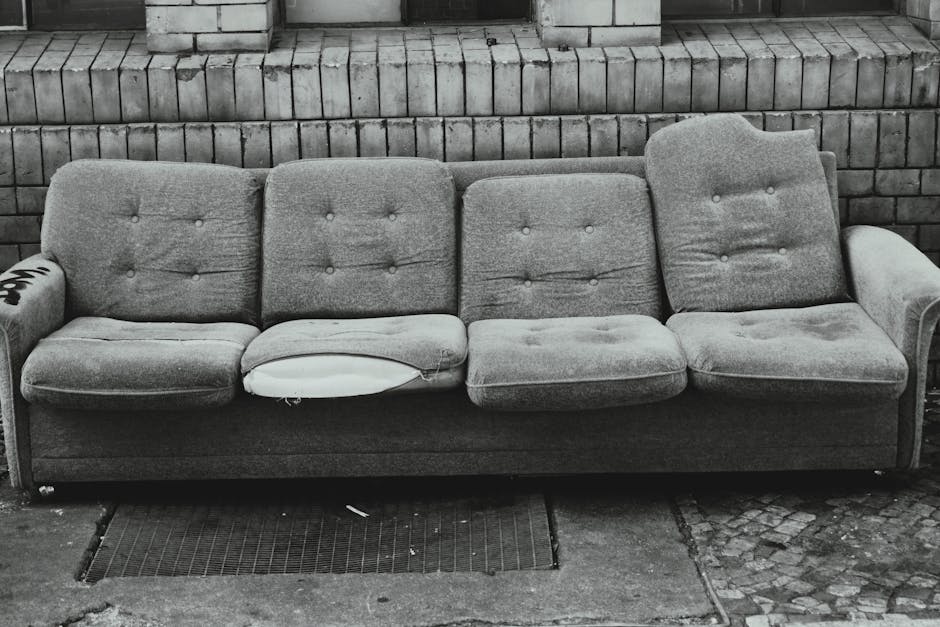
Common Mistakes to Avoid
The most common mistakes are rarely dramatic. They are usually small planning errors that cause bigger headaches later on.
- Underestimating the size of the item. A sofa can look manageable until you reach the staircase.
- Leaving access checks until the day of collection. By then, it is a bit late.
- Mixing up wanted and unwanted furniture. This happens more often than people admit.
- Assuming all furniture is recyclable in the same way. Different materials often need different handling.
- Waiting until the last minute during a move. That is when stress spikes and options shrink.
- Trying to lift heavy furniture without the right help. Not worth it, honestly.
Another mistake is choosing the quickest option without checking whether it suits the item. Some pieces are suitable for reuse, some need dismantling, and some are simply too awkward to move safely without the right equipment. If the furniture is damaged, damp, or infested, say so upfront. It saves everyone time and prevents awkward surprises at the door.
And a small one, but important: do not assume the sofa will fit down the stairs because it "looked fine" coming in years ago. Homes change, carpets get thicker, and memory is funny like that.
Tools, Resources and Recommendations
You do not need specialist kit to prepare for furniture clearance, but a few simple tools and materials can help.
- Measuring tape: useful for doorways, hallways, and large items.
- Protective gloves: especially if you are removing broken fittings or sharp staples.
- Dust sheets or old blankets: helpful for protecting floors and corners.
- Marker labels or sticky notes: ideal if you are separating keep and remove piles.
- Basic screwdriver or Allen key: useful if items need light dismantling before collection.
For planning and budgeting, our pricing and quotes page is a sensible next stop if you want to understand how estimates are typically approached. If payment or booking concerns are on your mind, the payment and security information may also be useful.
For residents who care about reuse, recycling, and lower-impact disposal, the company's recycling and sustainability guidance is worth reading. Furniture is bulky, yes, but that does not mean it should all be treated the same way.
You can also read more about the wider business approach via about us if you want a better sense of how services are organised.
Law, Compliance, Standards, or Best Practice
Furniture disposal in the UK should be handled with care and proper due diligence. You do not need to become a legal expert, but it helps to understand the broad expectations.
In plain English, the important points are:
- Waste should go to a legitimate route. You want to know the furniture is being managed responsibly.
- Duty of care matters. If someone removes waste for you, they should be able to handle it properly and keep it out of inappropriate channels.
- Safety matters during collection. Furniture lifting can be risky in tight spaces, so good manual handling practice is essential.
- Reusability and recycling should be considered where practical. A worn sofa might still have salvageable parts or recyclable materials.
For customers, the best practice is fairly simple: ask sensible questions, keep a record of what is being removed, and make sure the service feels transparent. If something sounds too vague, pause and ask for clarity. No need to be awkward about it. It is your home, after all.
For insurance and safety context, take a look at insurance and safety. That kind of reassurance matters more than people think, especially when furniture is being carried through shared entrances, stairwells, or narrow homes.
Best practice in one sentence: remove furniture through a clear, safe, traceable process that prioritises access planning, lawful handling, and responsible disposal.
Options, Methods, or Comparison Table
There is more than one way to deal with a sofa or a pile of furniture. The right choice depends on condition, time, access, and how much effort you want to spend.
| Method | Best for | Pros | Trade-offs |
|---|---|---|---|
| Self-removal | Small items, easy access, low volume | Low direct cost, complete control | Heavy lifting, van hire, time, disposal planning |
| Donation or reuse | Good-condition furniture | Extends item life, can feel more sustainable | Not every item is accepted, collection timing may vary |
| Professional furniture clearance | Bulky, awkward, mixed, or multiple items | Fast, practical, less lifting, simpler logistics | Usually involves a service fee |
| Full property clearance | Moves, probate, empty properties, renovations | Comprehensive and efficient | More planning, higher overall job size |
For many Haydons Road households, the middle ground is the sweet spot. One or two light items might be handled manually, but once a sofa is added to the mix, the balance shifts quickly. A lot quickly, sometimes.
If your clearance is tied to a larger home reset, the broader service page for services overview can help you see how furniture removal fits within the wider range of rubbish and waste solutions.
Case Study or Real-World Example
Imagine a typical Wimbledon flat near Haydons Road. The living room has an old two-seater sofa, a broken dining chair, a low bookcase, and a small coffee table that has outlived three house moves. The resident has been meaning to deal with it for months, but work, errands, and ordinary life keep getting in the way. The room starts to feel crowded, even when the furniture itself is not huge.
The first step is a quick review of access. The hallway is narrow, the sofa is long, and there is a corner turn near the stairs. That means planning matters. The resident clears the path, removes cushions, and checks whether the bookcase should be dismantled. A few photos are taken, and the collection is arranged for a time when parking should be easier.
On the day, the furniture is removed in a set sequence: smaller items first, sofa last. The job is finished in a single visit, and the living room suddenly looks twice as large. No drama, no second trip, no lingering mess. Just that satisfying moment when the room breathes again.
That is the real value of this kind of service. Not just disposal, but momentum. The space moves forward with you.
Practical Checklist
Use this quick checklist before arranging Haydons Road sofa disposal and furniture clearance Wimbledon:
- Confirm exactly which furniture items are going
- Measure any unusually large items
- Check stairs, corners, lifts, and door widths
- Clear a walking route to the exit
- Separate keep, donate, and remove piles
- Remove cushions, drawers, and detachable parts
- Make parking or loading access as simple as possible
- Take photos if you want help with estimating
- Flag anything damaged, heavy, or hard to dismantle
- Decide whether the job is a single-item removal or a broader clearance
If you are also dealing with exterior clutter, mixed waste, or leftover garden items, the garden waste removal Wimbledon page may be relevant too. Different jobs, same principle: sort it properly and do not leave the hard bit until the last minute.
Conclusion
Haydons Road sofa disposal and furniture clearance Wimbledon is really about making a busy, often awkward job feel manageable. Whether you are clearing one sofa or several rooms' worth of furniture, the right approach saves time, avoids strain, and helps keep the process tidy and responsible. The best results usually come from simple preparation: good measurements, clear access, honest descriptions, and a plan for what happens to each item.
In a place like Wimbledon, where homes can be compact, access can be tight, and schedules are rarely empty, a smooth clearance is worth its weight in reclaimed floor space. Once the old furniture is gone, the room feels different. Fresher. Calmer. More yours again.
If you are ready to move forward, the next step is straightforward: check your items, plan your access, and get a proper quote rather than guessing. Small effort now can save a surprisingly large amount of hassle later.
Get a free quote today and see how much you can save.
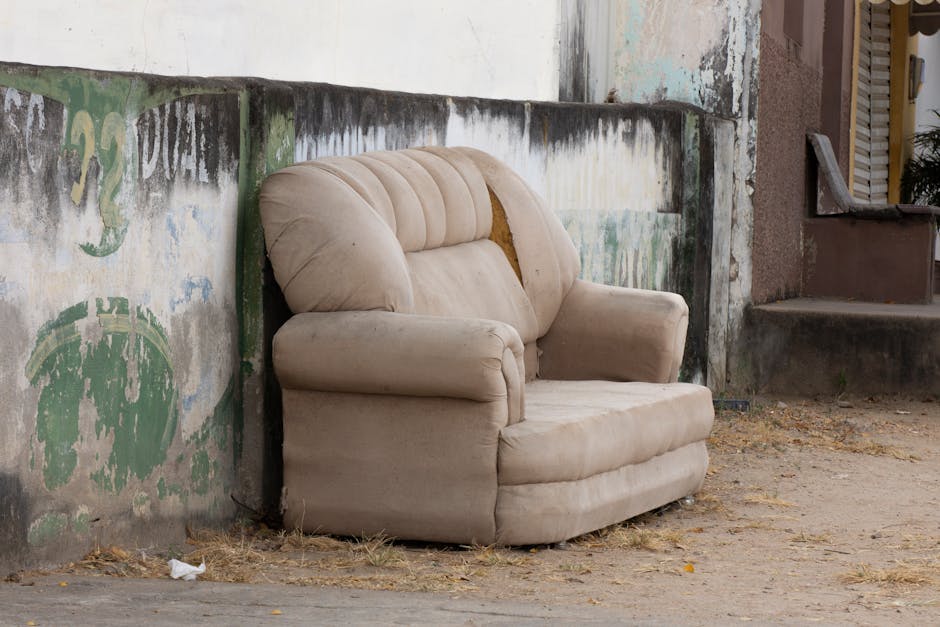

From a young age, Blair has cultivated a passion for order, which has now matured into a prosperous profession as a waste removal specialist. She derives satisfaction from transforming disorderly spaces into practical ones, aiding clients in conquering the burden of clutter.
 Tipper Van - Junk Removal and Rubbish Clearance Prices in Wimbledon, SW19
 Luton Van - Junk Removal and Rubbish Clearance Prices in Wimbledon, SW19